 small
small medium
 collections
 large
large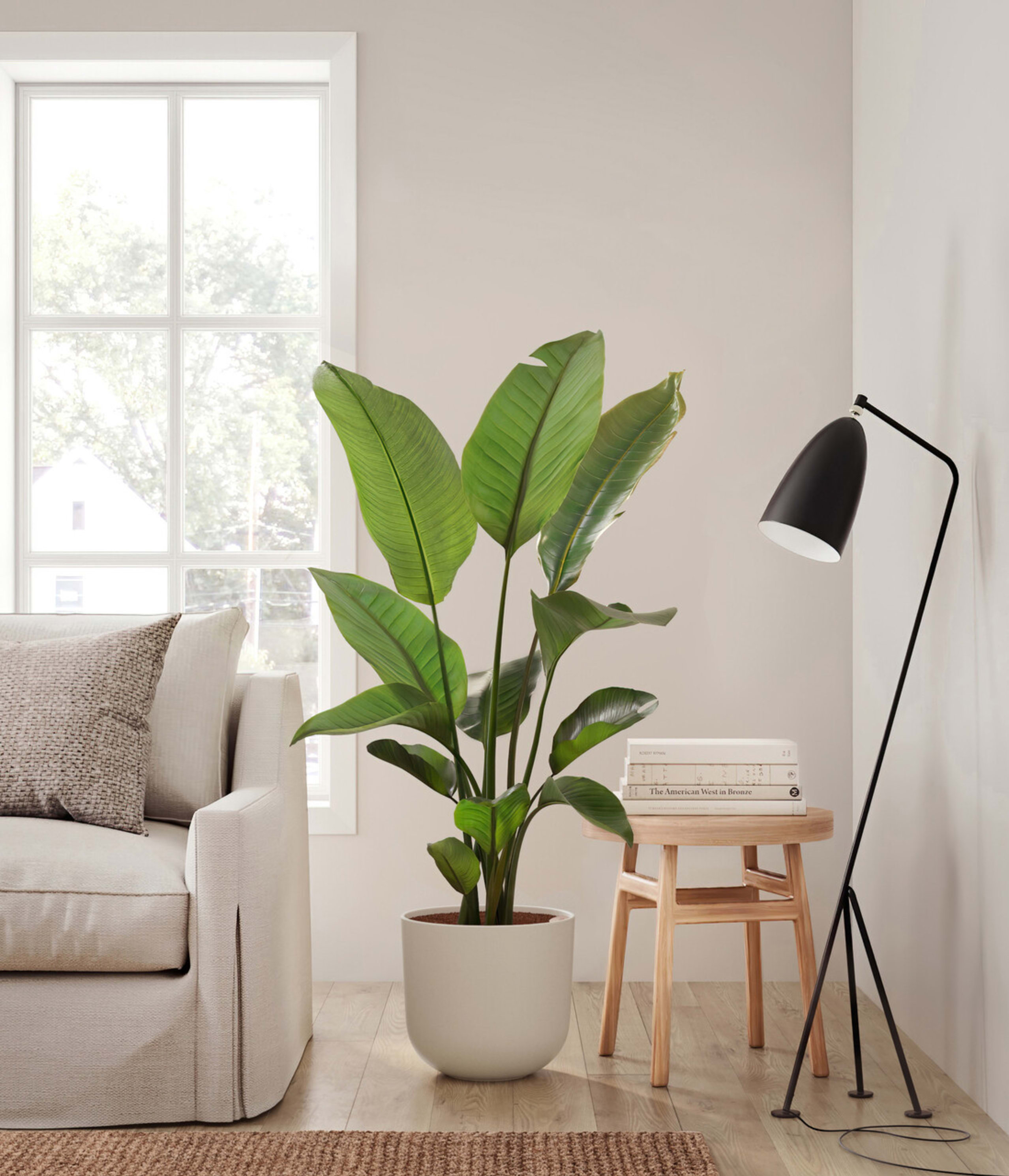 huge
hugePhilodendron Orange Marmalade


Philodendron Orange Marmalade at a Glance

Philodendron Orange Marmalade Bio
Light Instructions
Philodendron Orange Marmalade grows best in a space with bright indirect light, where the sun rays are diffused. Avoid placing it in spaces with low light, direct sunlight or spaces without natural light.

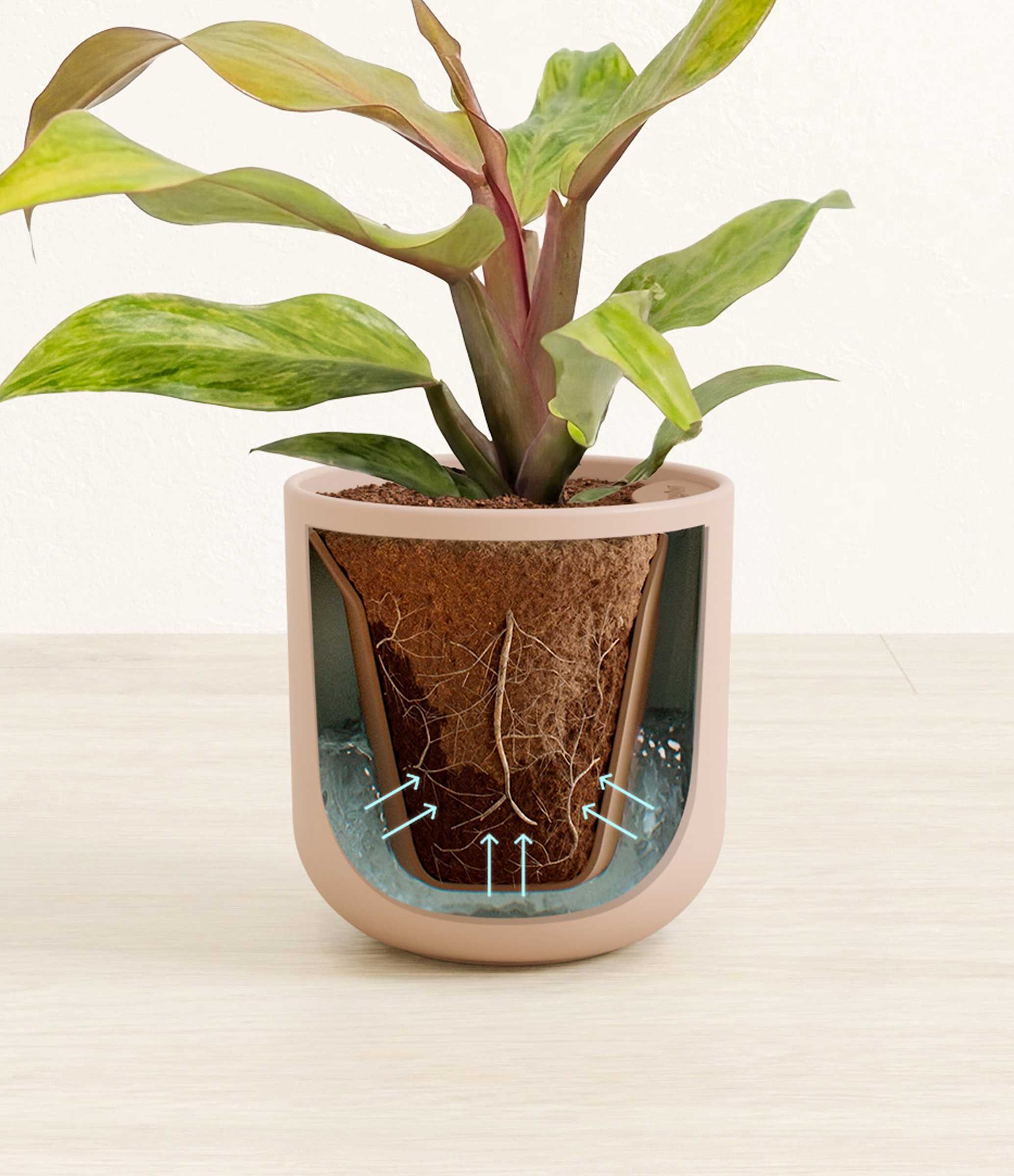
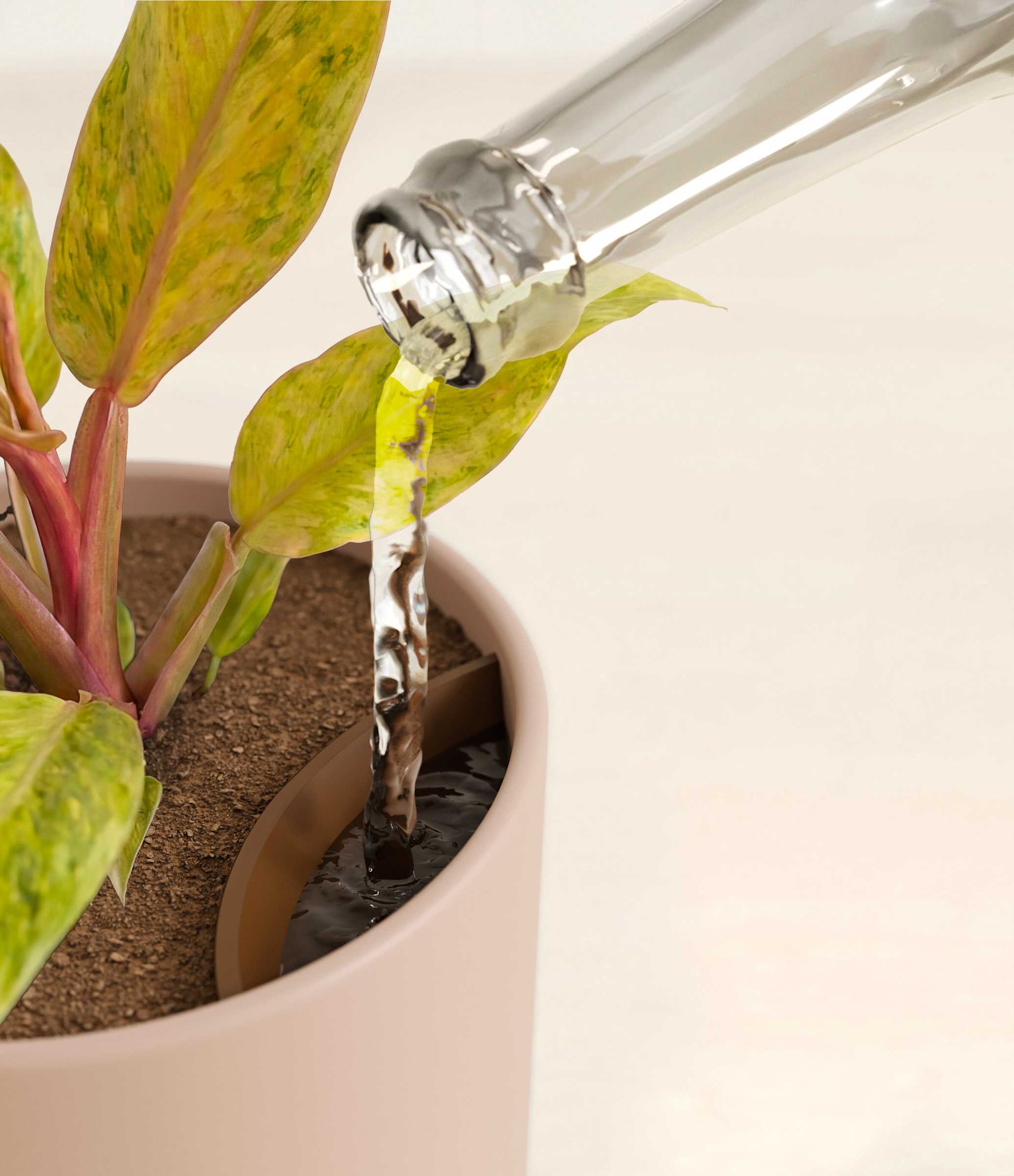
How does self-watering work?
- 1Simply open the lid and fill with water
- 2Your plant drinks only when needed
- 3The result: healthy, long-lived plants that are easy to maintain

easyplant benefits
- Carefree and convenient
- Never worry about when to water
- Much healthier plants that live longer
- We use proven Waterwick TM technology to optimize water consumption
| Advantages |  | Other |
|---|---|---|
| Water every | 1 Month | 1 Week |
| Overwatering | Rare | Common |
| Underwatering | Never | Common |
| Over compacted dry soil | Never | Common |
| Easily know when to water |  |  |
| Stable root growth | | |
Philodendron Orange Marmalade is a relatively low-maintenance plant that benefits from simple, consistent care. Dust its leaves gently with a soft, dry cloth to keep them clean and able to absorb light efficiently. Rotate the pot every few weeks to encourage even growth and prevent it from leaning toward the light source. Prune any yellowing or damaged leaves at the base to maintain its shape and encourage healthy new growth. If your Philodendron Orange Marmalade clearly outgrows its pot, repotting is a natural next step - easyplant offers a repotting kit designed to make the process simple, and the larger pot should only be used once the plant has truly outgrown its current one, since it holds more soil.
Does Philodendron Orange Marmalade climb or stay compact?
Philodendron Orange Marmalade has a more upright, compact growth habit compared to vining philodendrons. It maintains a full, bushy appearance indoors without needing support.
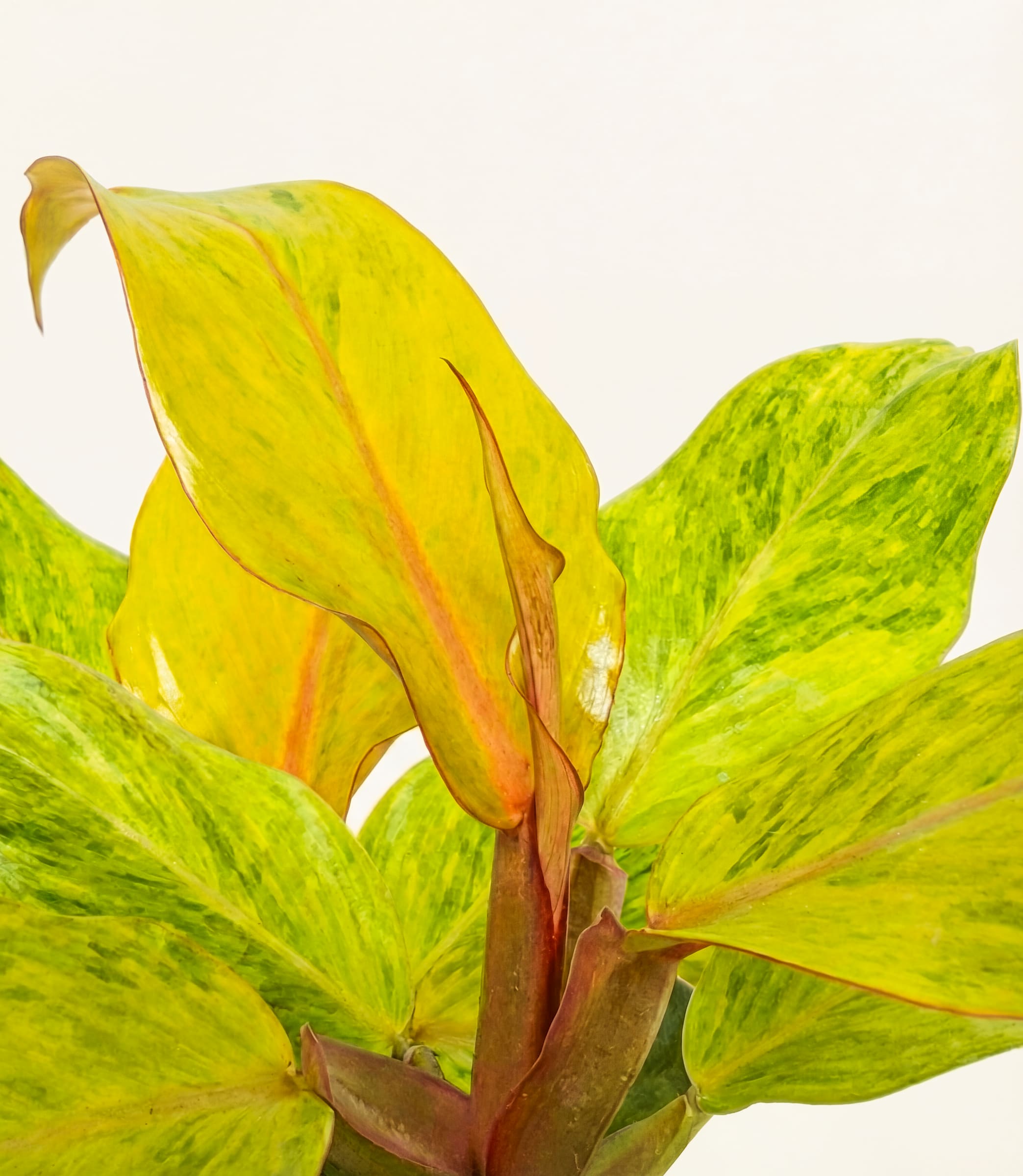
Why are the new leaves more orange than the older ones?
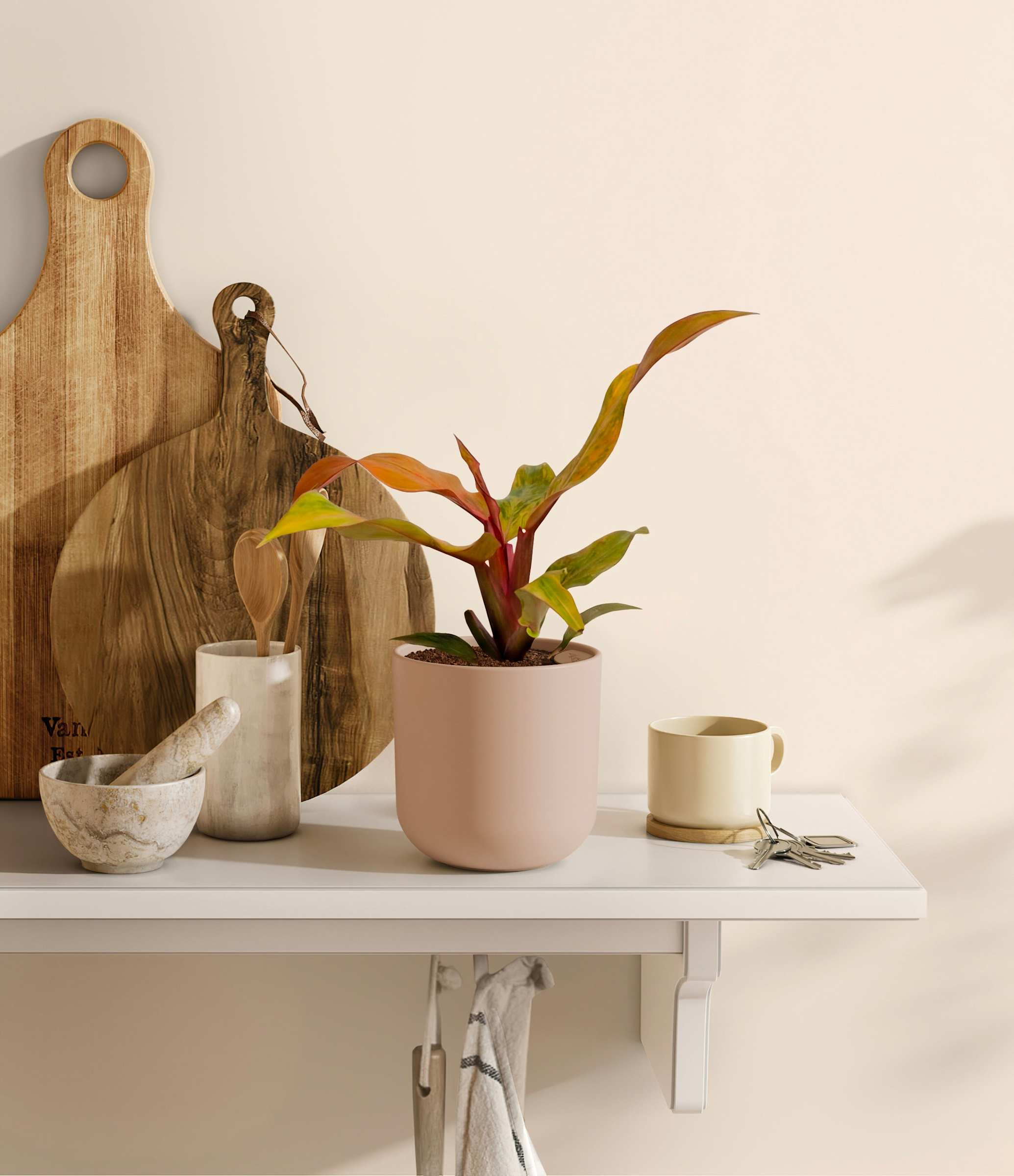
New growth on Philodendron Orange Marmalade emerges in bright orange or copper tones and gradually matures into green with golden marbling. This color shift is completely natural and part of what makes the plant unique.